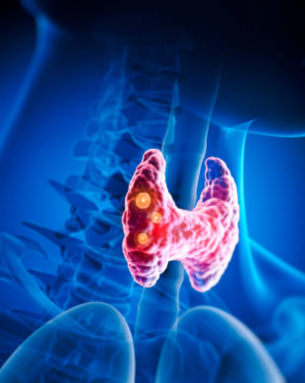
Thyroid Disorders: Balancing Hormones for Optimal Health
The thyroid gland, a butterfly-shaped organ in the neck, plays a crucial role in metabolism, energy regulation, and overall hormonal balance. When the thyroid produces too much or too little hormone, it leads to disorders like hypothyroidism, hyperthyroidism, goiter, thyroid nodules, and autoimmune conditions such as Hashimoto’s thyroiditis and Graves’ disease. Early diagnosis and appropriate management are essential to prevent long-term complications.
Recognizing the Symptoms & Causes of Thyroid Disorders
Thyroid disorders often present with a range of symptoms depending on whether hormone levels are too high or too low. Hypothyroidism (underactive thyroid) causes fatigue, weight gain, dry skin, depression, cold intolerance, and sluggish metabolism, while hyperthyroidism (overactive thyroid) leads to unexplained weight loss, rapid heartbeat, nervousness, tremors, and heat intolerance. Common causes include iodine deficiency, autoimmune diseases, genetic factors, and nodular thyroid disease.
Comprehensive Thyroid Care & Management
Accurate diagnosis through blood tests (TSH, T3, T4), ultrasound, and thyroid scans is crucial for effective treatment. Hypothyroidism is managed with levothyroxine therapy, while hyperthyroidism may require antithyroid medications, radioactive iodine therapy, or surgery in severe cases. Lifestyle modifications, including nutrient-rich diets, stress management, and regular check-ups with an Internal Medicine Specialist or Family Medicine Expert, are vital for long-term thyroid health.
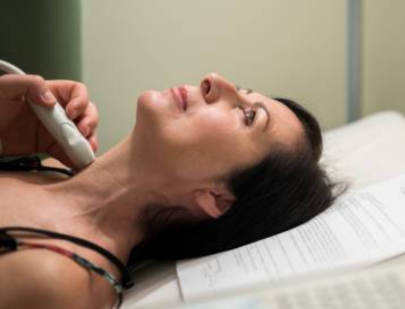
Understanding Thyroid Disorders: The Body’s Hormonal Regulator
Imbalance in thyroid hormones affects overall health
- Controls metabolism, energy levels, and body functions
- Includes hypothyroidism, hyperthyroidism, and autoimmune disorders
- Symptoms vary from fatigue to weight fluctuations
- Requires blood tests for accurate diagnosis and treatment
- Proper management prevents long-term health complications
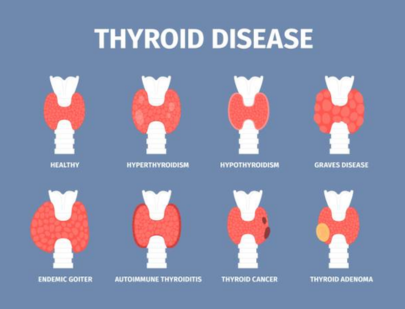
Types of Thyroid Disorders: From Hypothyroidism to Goiter
Various conditions impact thyroid function differently
- Hypothyroidism slows metabolism, causing fatigue and weight gain
- Hyperthyroidism accelerates metabolism, leading to rapid heartbeat
- Thyroid nodules and goiter cause swelling in the neck
- Autoimmune disorders like Hashimoto’s and Graves’ affect immunity
- Congenital thyroid disorders require early diagnosis in newborns
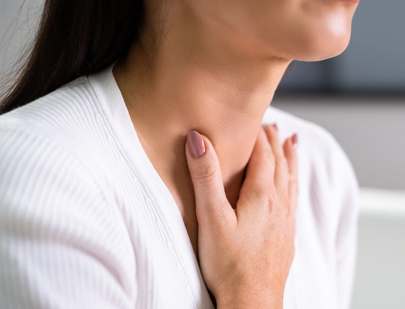
Causes of Thyroid Disorders: Genetics, Lifestyle, and Autoimmune Factors
Multiple triggers influence thyroid hormone production
- Genetic predisposition increases the risk of thyroid dysfunction
- Iodine deficiency or excess affects hormone synthesis
- Autoimmune diseases attack the thyroid gland
- Stress and lifestyle factors contribute to hormonal imbalance
- Medications and radiation exposure can disrupt thyroid function

Thyroid Disorders in Adolescents: Impact on Growth and Development
Hormonal changes affect puberty and physical development
- Can cause delayed or early puberty in teenagers
- Affects mood, concentration, and academic performance
- Weight fluctuations are common due to metabolism changes
- Requires early diagnosis to prevent growth disturbances
- Proper treatment ensures normal hormonal balance

Why do people choose us?
Expert-Led, Compassionate Care for a Healthier, Happier You
- Experienced Internal Medicine Specialist – Expert in acute & chronic diseases
- Comprehensive Diabetes Care – Fellowship-trained diabetologist (RCGP, UK)
- Critical Care Expertise – Advanced management of severe conditions
- Patient-Centric Approach – Compassionate, personalized treatment plans
- Preventive Healthcare Focus – Empowering patients with proactive care
- Holistic Treatment Methods – Integrating modern medicine with wellness
- Evidence-Based Medical Care – Cutting-edge treatments & global standards
- Trusted Family Medicine Expert – Comprehensive care for all age groups
Our Expert Doctors
Meet Our Specialist
.png)
Dr. B. Shashikanth Reddy
Diabetes and Hypertension Specialist, Internal Medicine
Our Specialization
Lorem ipsum specialties

Our Healthcare Services
Primary Care

Working Hours
MONDAYClosed
TUESDAYClosed
WEDNESDAYClosed
THURSDAYClosed
FRIDAYClosed
SATURDAYClosed
SUNDAYClosed


