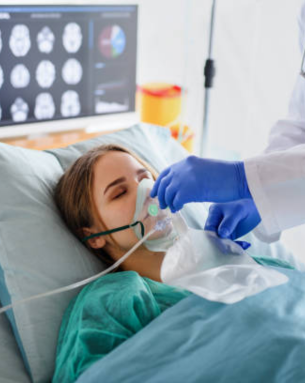
Poisoning Care: Immediate Intervention for Life-Saving Treatment
Poisoning is a medical emergency that requires rapid assessment and intervention to prevent severe complications. It can result from ingestion, inhalation, injection, or skin absorption of toxic substances, including chemicals, medications, foodborne toxins, and venomous bites. The severity depends on the type, quantity, and exposure duration. Early recognition and prompt medical attention are crucial for effective management.
Recognizing Symptoms and Acting Quickly
Poisoning symptoms vary but may include nausea, vomiting, dizziness, confusion, seizures, difficulty breathing, and unconsciousness. In severe cases, it can cause organ failure, cardiac arrest, or respiratory distress. If poisoning is suspected, immediate medical attention is essential—do not wait for symptoms to worsen. Contact emergency services or a poison control center and avoid inducing vomiting unless instructed by medical professionals.
Advanced Poisoning Management & Critical Care
Treatment depends on the toxin involved and may include activated charcoal, antidotes, IV fluids, oxygen therapy, or ventilatory support in severe cases. Gastric lavage (stomach pumping), dialysis, or critical care interventions might be necessary for life-threatening poisonings. Prevention is key—store medications and chemicals safely, avoid self-medication, and be cautious with unknown substances. With specialized poisoning care and emergency response, timely treatment can save lives and prevent long-term complications.

Types of Poisoning: Identifying the Source
Different toxins affect the body in unique ways
- Understanding Poisoning: A Medical Emergency
- Immediate intervention is crucial for survival and recovery
- Poisoning occurs due to ingestion, inhalation, or skin exposure
- Common causes include chemicals, drugs, food, and toxins
- Symptoms vary from nausea to life-threatening organ failure
- Early detection and prompt medical care improve outcomes
- Poison control measures prevent complications and fatalities

Types of Poisoning: Identifying the Source
Different toxins affect the body in unique ways
- Food poisoning results from bacteria, viruses, or toxins
- Chemical poisoning occurs due to household or industrial exposure
- Drug overdose leads to severe toxicity and organ damage
- Carbon monoxide poisoning causes oxygen deprivation and suffocation
- Snake and insect bites inject venom, affecting the nervous system
Treatment and Prevention: Reducing Poisoning Risks
Medical intervention and safety measures are essential
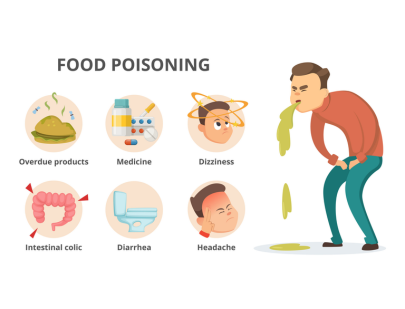
- Symptoms of Poisoning: Warning Signs to Watch For
- Recognizing early signs can save lives
- Nausea, vomiting, and abdominal pain after toxin exposure
- Breathing difficulties, dizziness, and confusion may occur
- Seizures, loss of consciousness, and cardiac irregularities in severe cases
- Skin irritation, burns, or swelling from chemical exposure
- Sudden behavioral changes or hallucinations in toxic reactions
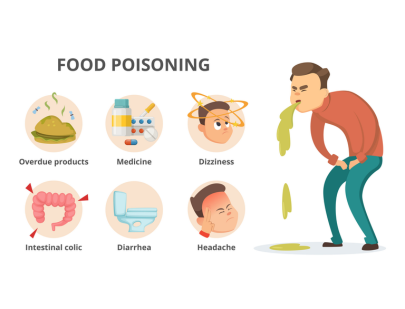
Treatment and Prevention: Reducing Poisoning Risks
Medical intervention and safety measures are essential
- Activated charcoal may be used to absorb certain toxins
- Antidotes are administered based on specific poison types
- Intravenous fluids and medications help stabilize critical patients
- Proper storage of chemicals and medications prevents accidental ingestion
- Educating children and adults about poisoning hazards saves lives

Why do people choose us?
Expert-Led, Compassionate Care for a Healthier, Happier You
- Experienced Internal Medicine Specialist – Expert in acute & chronic diseases
- Comprehensive Diabetes Care – Fellowship-trained diabetologist (RCGP, UK)
- Critical Care Expertise – Advanced management of severe conditions
- Patient-Centric Approach – Compassionate, personalized treatment plans
- Preventive Healthcare Focus – Empowering patients with proactive care
- Holistic Treatment Methods – Integrating modern medicine with wellness
- Evidence-Based Medical Care – Cutting-edge treatments & global standards
- Trusted Family Medicine Expert – Comprehensive care for all age groups
Our Expert Doctors
Meet Our Specialist
.png)
Dr. B. Shashikanth Reddy
Diabetes and Hypertension Specialist, Internal Medicine
Our Specialization
Lorem ipsum specialties

Our Healthcare Services
Primary Care

Working Hours
MONDAYClosed
TUESDAYClosed
WEDNESDAYClosed
THURSDAYClosed
FRIDAYClosed
SATURDAYClosed
SUNDAYClosed


