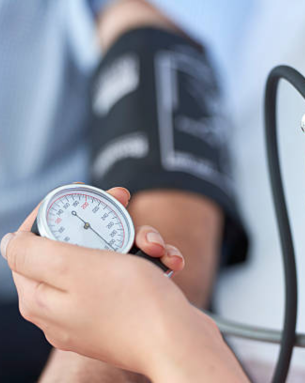
Hypertension: The Silent Threat to Heart Health
Hypertension, or high blood pressure, is a chronic condition where the force of blood against the artery walls remains persistently elevated. Often called the "silent killer", hypertension can progress without noticeable symptoms while significantly increasing the risk of heart disease, stroke, kidney failure, and vision loss. Early diagnosis and consistent management are essential to prevent life-threatening complications.
Causes & Symptoms: Understanding the Risks
Hypertension can be primary (essential) or secondary. Primary hypertension develops gradually due to genetic predisposition, aging, and lifestyle factors such as high salt intake, obesity, and lack of physical activity. Secondary hypertension results from underlying conditions like kidney disease, endocrine disorders, or medication side effects. While many individuals remain asymptomatic, signs like headaches, dizziness, nosebleeds, and shortness of breath may indicate dangerously high blood pressure levels.
Managing Hypertension: A Multi-Faceted Approach
Long-term hypertension management requires lifestyle changes, regular monitoring, and medication when necessary. Patients are advised to adopt a heart-healthy diet (DASH diet), maintain an active lifestyle, manage stress, and limit salt, alcohol, and tobacco consumption. Medications such as ACE inhibitors, beta-blockers, calcium channel blockers, and diuretics help regulate blood pressure. Regular follow-ups with an Internal Medicine Specialist or Family Medicine Expert ensure personalized treatment, reducing the risk of complications and enhancing overall well-being.

Understanding Hypertension: The Silent Killer
Chronic high blood pressure affecting heart health
- Increases the risk of heart attack and stroke
- Often asymptomatic until complications arise
- Requires lifestyle changes and medical management
- Can damage arteries and vital organs over time
- Regular blood pressure monitoring is essential
Types of Hypertension: Primary vs. Secondary
Understanding different causes and risk factors
- Primary hypertension develops gradually without a known cause
- Secondary hypertension results from underlying medical conditions
- Kidney disease and hormonal disorders can trigger hypertension
- Some medications may elevate blood pressure levels
- Accurate diagnosis helps determine appropriate treatment

Hypertension-Related Complications: Protecting Vital Organs
Long-term effects can severely impact overall health
- Damages heart muscles, increasing the risk of failure
- Affects kidney function, leading to chronic kidney disease
- Increases the likelihood of vision problems and blindness
- Can cause cognitive decline and vascular dementia
- Early treatment prevents irreversible organ damage

Hypertension During Pregnancy: Managing Preeclampsia Risks
High blood pressure poses risks to mother and baby
- Can lead to preeclampsia and complications during delivery
- Requires close monitoring and medical intervention
- Affects blood flow to the placenta, impacting fetal growth
- May necessitate medication to control blood pressure
- Postpartum care is crucial to prevent long-term issues

Why do people choose us?
Expert-Led, Compassionate Care for a Healthier, Happier You
- Experienced Internal Medicine Specialist – Expert in acute & chronic diseases
- Comprehensive Diabetes Care – Fellowship-trained diabetologist (RCGP, UK)
- Critical Care Expertise – Advanced management of severe conditions
- Patient-Centric Approach – Compassionate, personalized treatment plans
- Preventive Healthcare Focus – Empowering patients with proactive care
- Holistic Treatment Methods – Integrating modern medicine with wellness
- Evidence-Based Medical Care – Cutting-edge treatments & global standards
- Trusted Family Medicine Expert – Comprehensive care for all age groups
Our Expert Doctors
Meet Our Specialist
.png)
Dr. B. Shashikanth Reddy
Diabetes and Hypertension Specialist, Internal Medicine
Our Specialization
Lorem ipsum specialties

Our Healthcare Services
Primary Care

Working Hours
MONDAYClosed
TUESDAYClosed
WEDNESDAYClosed
THURSDAYClosed
FRIDAYClosed
SATURDAYClosed
SUNDAYClosed


