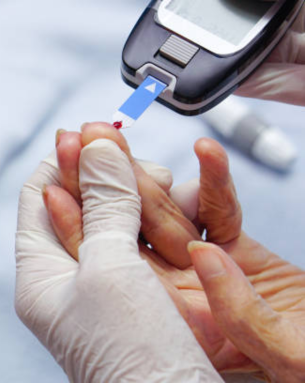
Diabetes: A Chronic Condition Requiring Expert Management
Diabetes is a metabolic disorder characterized by elevated blood glucose levels (hyperglycemia) due to insufficient insulin production or ineffective insulin utilization. The condition is classified into Type 1 Diabetes (autoimmune destruction of insulin-producing cells), Type 2 Diabetes (insulin resistance), and Gestational Diabetes (pregnancy-induced high blood sugar levels). Uncontrolled diabetes can lead to serious complications affecting the heart, kidneys, nerves, and eyes, making early diagnosis and consistent management crucial.
Causes & Symptoms: Recognizing the Warning Signs
Diabetes is influenced by genetic predisposition, lifestyle factors, obesity, physical inactivity, and hormonal imbalances. Common symptoms include excessive thirst (polydipsia), frequent urination (polyuria), unexplained weight loss, persistent fatigue, blurred vision, slow-healing wounds, and recurrent infections. If left untreated, diabetes can progress to diabetic ketoacidosis (DKA) in Type 1 cases or hyperosmolar hyperglycemic state (HHS) in Type 2 cases, both of which require urgent medical attention.
Diabetes Management: Preventing Complications Through Care
Effective diabetes management includes lifestyle modifications, a balanced diet, regular exercise, and blood sugar monitoring. Medications such as oral hypoglycemics (metformin, sulfonylureas) or insulin therapy may be prescribed based on individual needs. Routine screenings for kidney function, eye health, and cardiovascular risk factors are essential to prevent complications. Consulting an experienced Diabetologist or Internal Medicine Specialist ensures a personalized treatment plan, optimizing glycemic control and improving overall health.

Understanding Diabetes: A Chronic Metabolic Disorder
Affects blood sugar regulation and overall health
- Characterized by high blood glucose levels
- Caused by insulin deficiency or resistance
- Requires lifestyle modifications and medical management
- Can lead to long-term complications if untreated
- Regular monitoring helps maintain optimal sugar levels
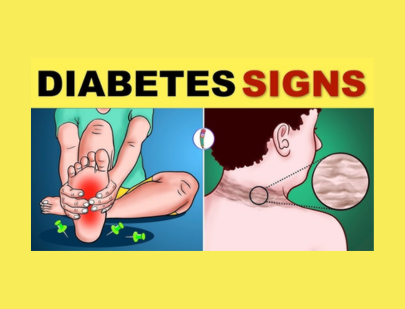
Prediabetes: The Warning Sign Before Full-Blown Diabetes
A borderline condition requiring early intervention
- Blood sugar levels are higher than normal but not diabetic
- Increased risk of developing type 2 diabetes
- Lifestyle changes can help prevent progression
- Regular screening is crucial for early detection
- Weight management and exercise improve insulin sensitivity

Insulin Resistance: The Root Cause of Type 2 Diabetes
When the body fails to use insulin effectively
- Leads to increased blood sugar levels over time
- Associated with obesity, inactivity, and poor diet
- Can be reversed with lifestyle modifications
- Often linked to metabolic syndrome and heart disease
- Early intervention reduces diabetes risk significantly

Diabetes-Related Complications: Preventing Long-Term Health Risks
Affects multiple organs, increasing health complications
- Can cause nerve damage and diabetic neuropathy
- Affects kidney function leading to diabetic nephropathy
- Increases the risk of heart disease and stroke
- Vision loss due to diabetic retinopathy is common
- Proper glucose control prevents severe complications

Diabetes and Pregnancy: Managing Gestational Diabetes Effectively
Ensuring a healthy pregnancy with proper glucose control
- High blood sugar can affect fetal development
- Requires dietary management and possible insulin therapy
- Increases the risk of preterm birth and complications
- Regular monitoring ensures maternal and fetal health
- Postpartum lifestyle changes prevent type 2 diabetes

Why do people choose us?
Expert-Led, Compassionate Care for a Healthier, Happier You
- Experienced Internal Medicine Specialist – Expert in acute & chronic diseases
- Comprehensive Diabetes Care – Fellowship-trained diabetologist (RCGP, UK)
- Critical Care Expertise – Advanced management of severe conditions
- Patient-Centric Approach – Compassionate, personalized treatment plans
- Preventive Healthcare Focus – Empowering patients with proactive care
- Holistic Treatment Methods – Integrating modern medicine with wellness
- Evidence-Based Medical Care – Cutting-edge treatments & global standards
- Trusted Family Medicine Expert – Comprehensive care for all age groups
Our Expert Doctors
Meet Our Specialist
.png)
Dr. B. Shashikanth Reddy
Diabetes and Hypertension Specialist, Internal Medicine
Our Specialization
Lorem ipsum specialties

Our Healthcare Services
Primary Care

Working Hours
MONDAYClosed
TUESDAYClosed
WEDNESDAYClosed
THURSDAYClosed
FRIDAYClosed
SATURDAYClosed
SUNDAYClosed


