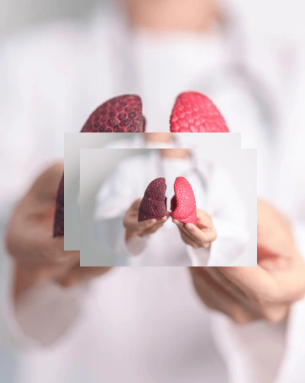
COPD: Managing Chronic Lung Disease for Better Breathing
Chronic Obstructive Pulmonary Disease (COPD) is a progressive lung condition that causes airflow obstruction, leading to difficulty in breathing. It includes chronic bronchitis and emphysema, both of which damage the lungs over time. Smoking is the leading cause of COPD, but air pollution, occupational hazards, and genetic factors can also contribute. Early diagnosis and management are essential to slow disease progression and improve quality of life.
Recognizing COPD Symptoms & Risk Factors
The hallmark symptoms of COPD include chronic cough, excessive mucus production, wheezing, breathlessness (especially during exertion), and frequent respiratory infections. Over time, symptoms worsen, leading to fatigue, weight loss, and severe airflow limitation. Smoking cessation, reducing exposure to lung irritants, and early intervention are crucial in preventing COPD progression.
Advanced Treatment & Personalized COPD Care
COPD treatment focuses on symptom control, improving lung function, and preventing exacerbations. Bronchodilators, inhaled corticosteroids, pulmonary rehabilitation, and supplemental oxygen therapy help manage the disease. Pulmonary function tests (PFTs) aid in diagnosis and treatment adjustments. Lifestyle modifications, including regular exercise, breathing exercises, and proper nutrition, play a significant role in maintaining respiratory health. With the right medical guidance and proactive care, individuals with COPD can lead a more comfortable and active life despite their condition.

Understanding COPD: A Chronic Lung Disease
Progressive lung condition causing breathing difficulties
- COPD includes chronic bronchitis and emphysema
- Leads to airflow obstruction and reduced lung function
- Commonly caused by long-term smoking or pollution exposure
- Symptoms worsen over time, requiring continuous management
- Early diagnosis and treatment improve quality of life
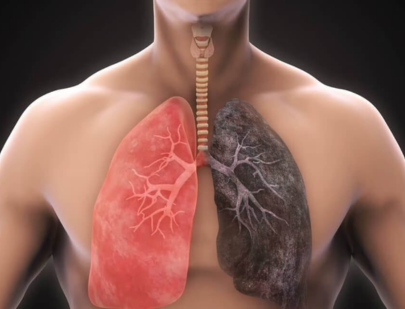
Types of COPD: Chronic Bronchitis and Emphysema
Different forms affect lung structure and function
- Chronic bronchitis causes persistent cough with mucus production
- Emphysema damages lung air sacs, reducing oxygen exchange
- Some patients have overlapping symptoms of both types
- Smoking and pollutants worsen lung inflammation and damage
- Lifestyle changes and medications help manage symptoms

Causes of COPD: Risk Factors and Triggers
Long-term exposure to harmful substances affects lung health
- Smoking is the leading cause of COPD worldwide
- Air pollution and occupational dust increase risk factors
- Genetic conditions like Alpha-1 Antitrypsin Deficiency contribute
- Frequent lung infections may accelerate disease progression
- Secondhand smoke exposure can also trigger COPD symptoms
Symptoms of COPD: Recognizing Early Warning Signs
Persistent respiratory issues indicate underlying lung damage
- Chronic cough producing mucus for extended periods
- Shortness of breath, even with mild physical activity
- Wheezing and chest tightness, worsening over time
- Frequent respiratory infections due to weakened immunity
- Fatigue and weight loss in severe COPD cases
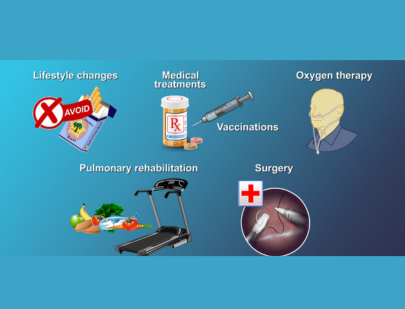
Managing COPD: Treatment and Lifestyle Modifications
Early intervention can slow disease progression
- Quitting smoking is the most effective preventive measure
- Inhalers and bronchodilators help open airways efficiently
- Pulmonary rehabilitation improves lung capacity and endurance
- Oxygen therapy aids in severe breathing difficulties
- Regular check-ups ensure optimal disease management

Why do people choose us?
Expert-Led, Compassionate Care for a Healthier, Happier You
- Experienced Internal Medicine Specialist – Expert in acute & chronic diseases
- Comprehensive Diabetes Care – Fellowship-trained diabetologist (RCGP, UK)
- Critical Care Expertise – Advanced management of severe conditions
- Patient-Centric Approach – Compassionate, personalized treatment plans
- Preventive Healthcare Focus – Empowering patients with proactive care
- Holistic Treatment Methods – Integrating modern medicine with wellness
- Evidence-Based Medical Care – Cutting-edge treatments & global standards
- Trusted Family Medicine Expert – Comprehensive care for all age groups
Our Expert Doctors
Meet Our Specialist
.png)
Dr. B. Shashikanth Reddy
Diabetes and Hypertension Specialist, Internal Medicine
Our Specialization
Lorem ipsum specialties

Our Healthcare Services
Primary Care

Working Hours
MONDAYClosed
TUESDAYClosed
WEDNESDAYClosed
THURSDAYClosed
FRIDAYClosed
SATURDAYClosed
SUNDAYClosed


